



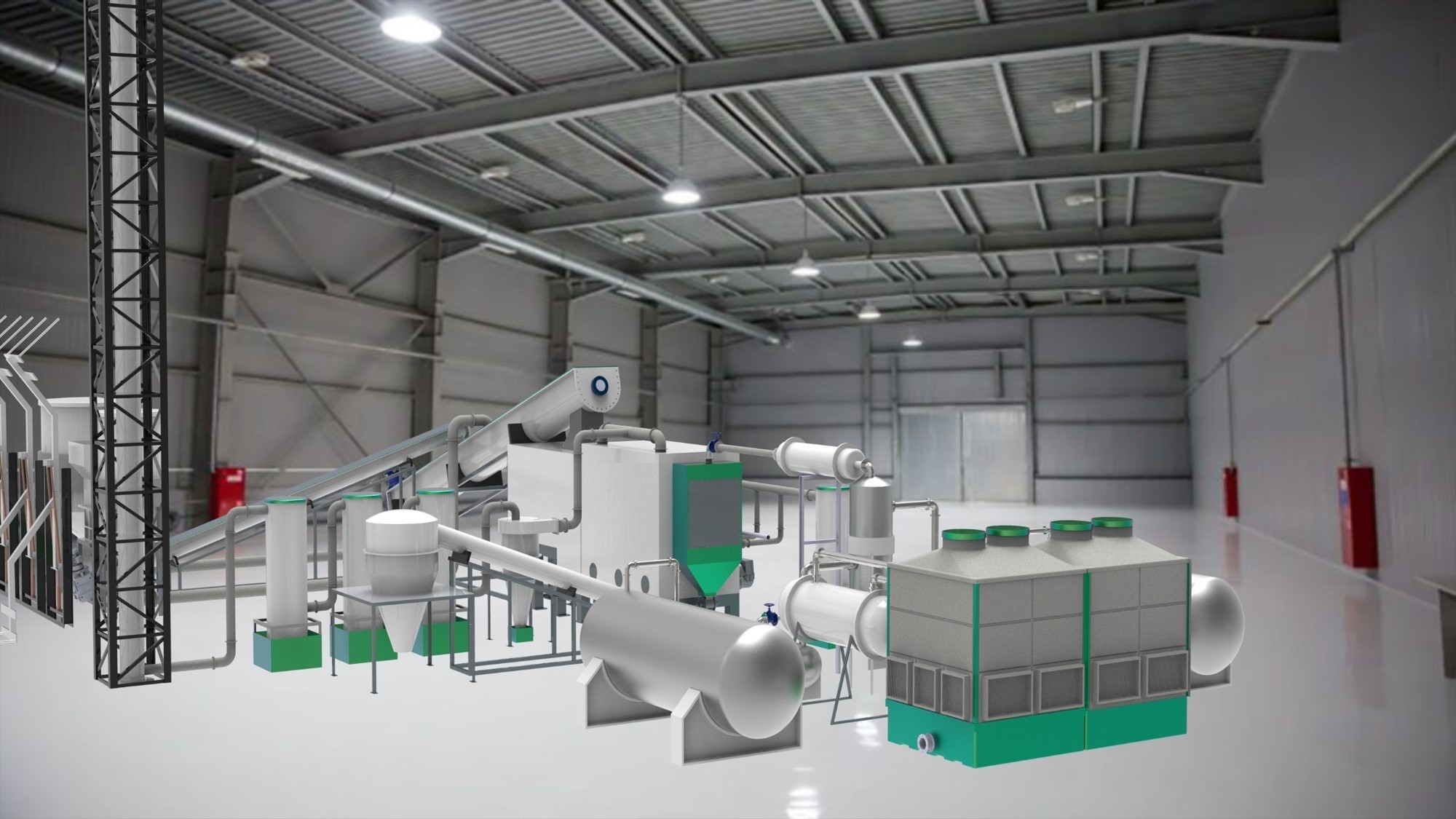
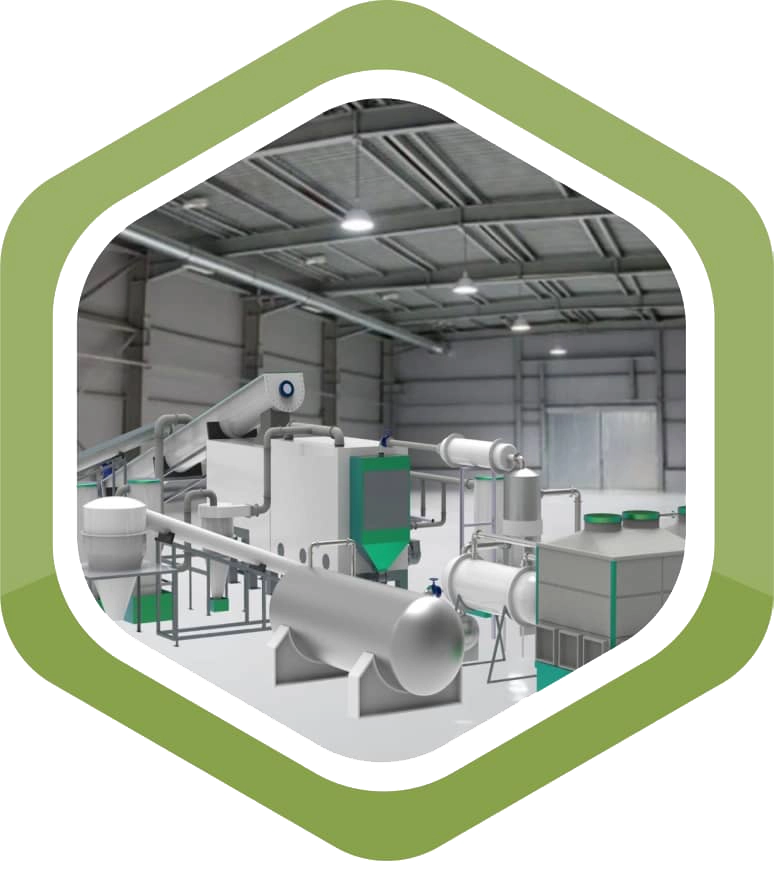
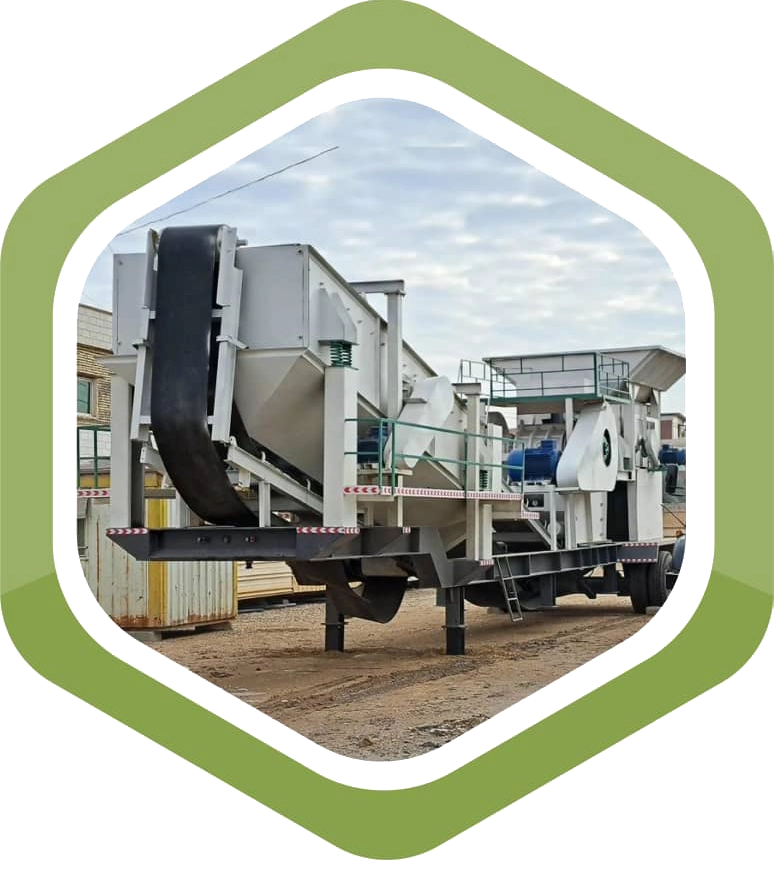
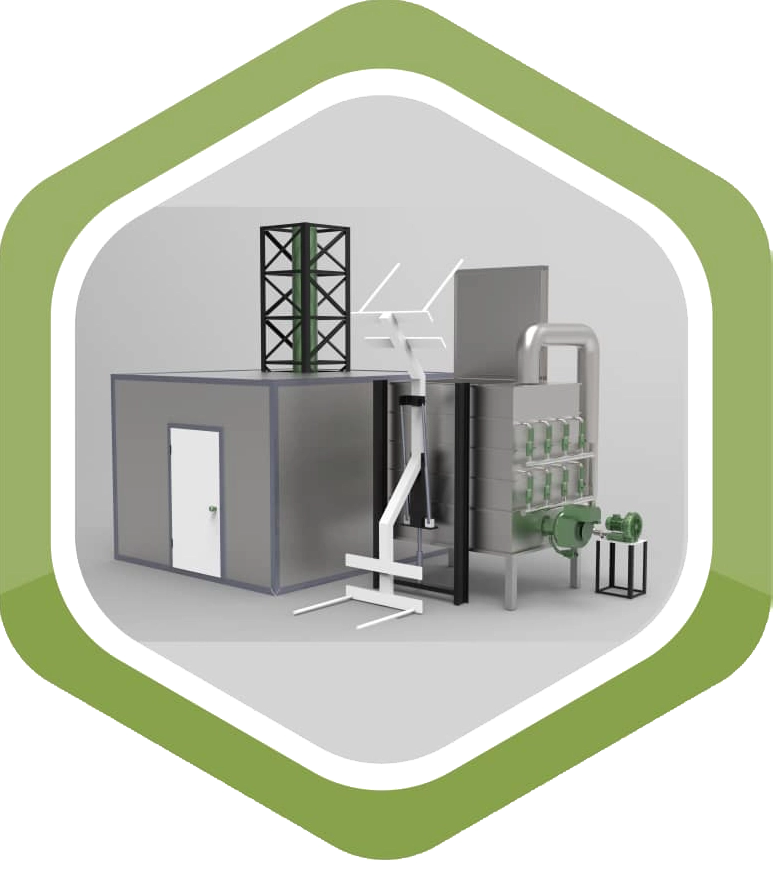
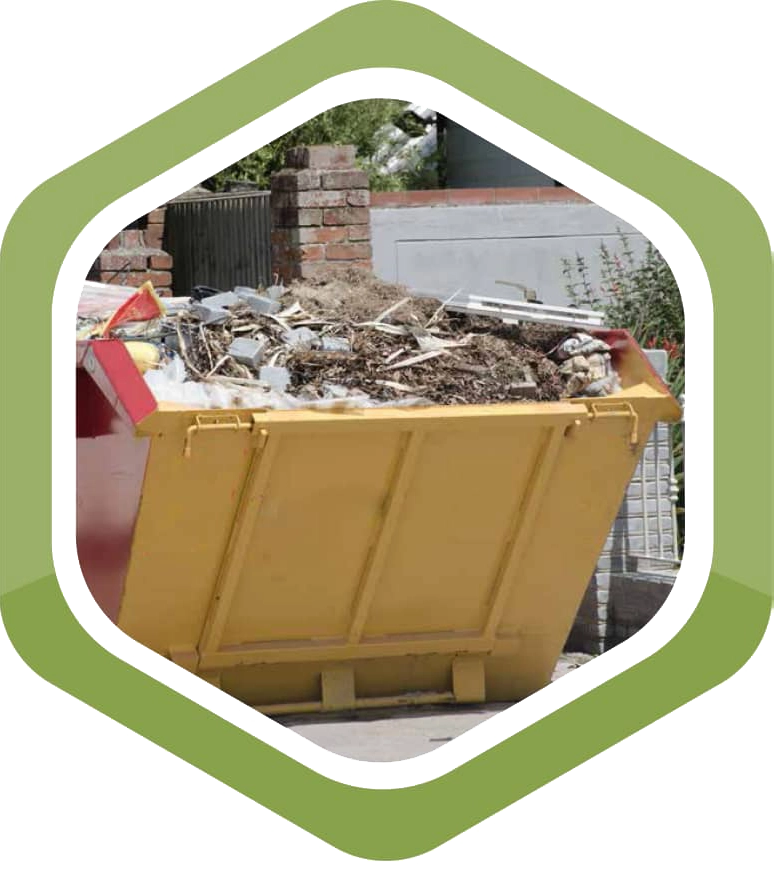

Paper recycling line
Per capita consumption of paper is considered one of the indicators of economic development. Despite the spread of personal computers around the world, which can have a great effect on paper consumption, the amount of paper consumption is still considered one of the main criteria for evaluating the economic development of societies. In developing countries, where computers have not yet found their main place in human relations and public culture, and the level of people's access to it is still far from that of developed countries, the consumption of paper is important from various dimensions. But to produce paper for any consumption purpose, millions of trees must be cut down in the forests every year. The level of forest cover in many developing countries has decreased drastically in the last two decades, and this is despite the fact that, according to the opinion of many experts, the forest is considered the "lungs of the earth" and plays a key role in cleaning the air, preventing floods and protecting It has soil.
Decreasing the level of forest cover is one of the problems that should be addressed by officials and planners in developing countries. The level of forest cover in Iran has decreased by almost a third in the last two decades, and despite the efforts made in the field of forestry, the losses of the past have not yet been compensated and require more efforts from the people and officials in this field. Every year, billions of dollars all over the world must be spent on burning billions of tons of waste. Garbage, some of which can be recycled and reused. Such damages in developing countries like Iran are far more than developed countries.
Advanced industrial countries have been able to recycle all kinds of waste (metals, plastics, wood, paper, etc.) To use the collected waste for new products and to prevent more damage to the environment (harvesting from natural resources and landfilling) to some extent. But this is not the case in developing countries. Not only significant investments have not been made to set up recycling industries, but also the public culture for waste separation has not been formed.
While the collection rate of recyclable cellulose materials in European countries is more than 70%, in Iran this figure is about 2% of all these materials and the rest is thrown away.
Paper recycling:
17 trees need to be cut to produce each ton of paper. Therefore, if each person collects his waste paper in a year, it is equivalent to 1.5 trees, and if all of us Iranians do this, we have prevented the cutting of 100 million trees in a year.
Every Iranian family needs to cut down 1/5 of a tree to prepare the annual consumption of paper towels.
Using recycled paper instead of making it from trees will reduce air pollution by 74%, reduce water pollution by 35% and reduce water consumption by 58%, that is why 50% of paper produced in developing countries Found from recycled papers.
Therefore, in addition to economic benefits, paper recycling causes non-dependence on the import of paper pulp, reducing pollution, preventing the cutting of trees, and helping the system of collecting and burying production waste.
Paper recycling steps:
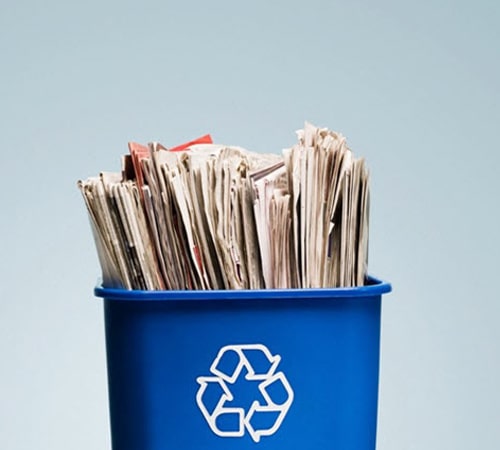
Different types of paper are converted into different products in recycling. For this reason, for example, newspapers and magazines should be collected separately.
In the recycling center, paper is separated from other materials such as plastic, paper clips, glue and any material that cannot be recycled with paper. Then these papers are sorted and sent to the mill. Each stack of these papers weighs about 1,000 pounds.
In the mill, bundles of paper are soaked in large vats of water and chemicals, and then they are separated into sheets. The product of this step is paper pulp.
The dough is placed in a number of sieves. In order to separate some impurities such as plastics, additives, reinforcements and loose particles from the paste.
Papers that contain ink, such as newspapers and magazines, must be removed before producing a new ink product. The dough enters a flotation device. Soapy chemicals are added to make the compound easier to separate from the paste. Air bubbles are blown into the mixture. The ink sticks to the bubbles and rises. Ink bubbles are removed from the surface of the mixture and the paste without ink is obtained.
Now the pulp that has been cleaned and de-inked is recycled. Often this paste is mixed with another paste to produce new products.
In order to prepare the primary pulp of various paper products, including cardboard, cardboard, sanitary paper, printing and writing paper, liner paper, etc., from waste paper during the recycling process, there are two workshop and factory methods, which are described below, along with the process diagram Its operation has come
The following are the advantages of paper recycling:
- Environmental protection
- Reducing landfills
- Reducing air pollution
- Reducing the production of greenhouse gases
- Energy conservation