









Collection and Recovery of Associated Gas in Gas Refineries: Processes, Challenges, and Solutions
The oil and gas industry, as one of the pillars of the global economy, has always faced environmental challenges. One of these challenges is the management of associated gas, which is produced during crude oil extraction and gas refining. These gases, primarily consisting of methane, ethane, propane, and other hydrocarbons, if not properly managed, not only waste valuable energy resources but also leave a harmful environmental footprint. In this topic the process of collecting and recovering associated gas in gas refineries, the environmental issues involved, and modern control solutions.

Process of Collecting and Recovering Associated Gas
Associated gas refers to the gases that naturally exist in crude oil reservoirs and are released unintentionally during oil extraction. In gas refineries, these gases are managed through the following stages:
1.Collection and Initial Separation
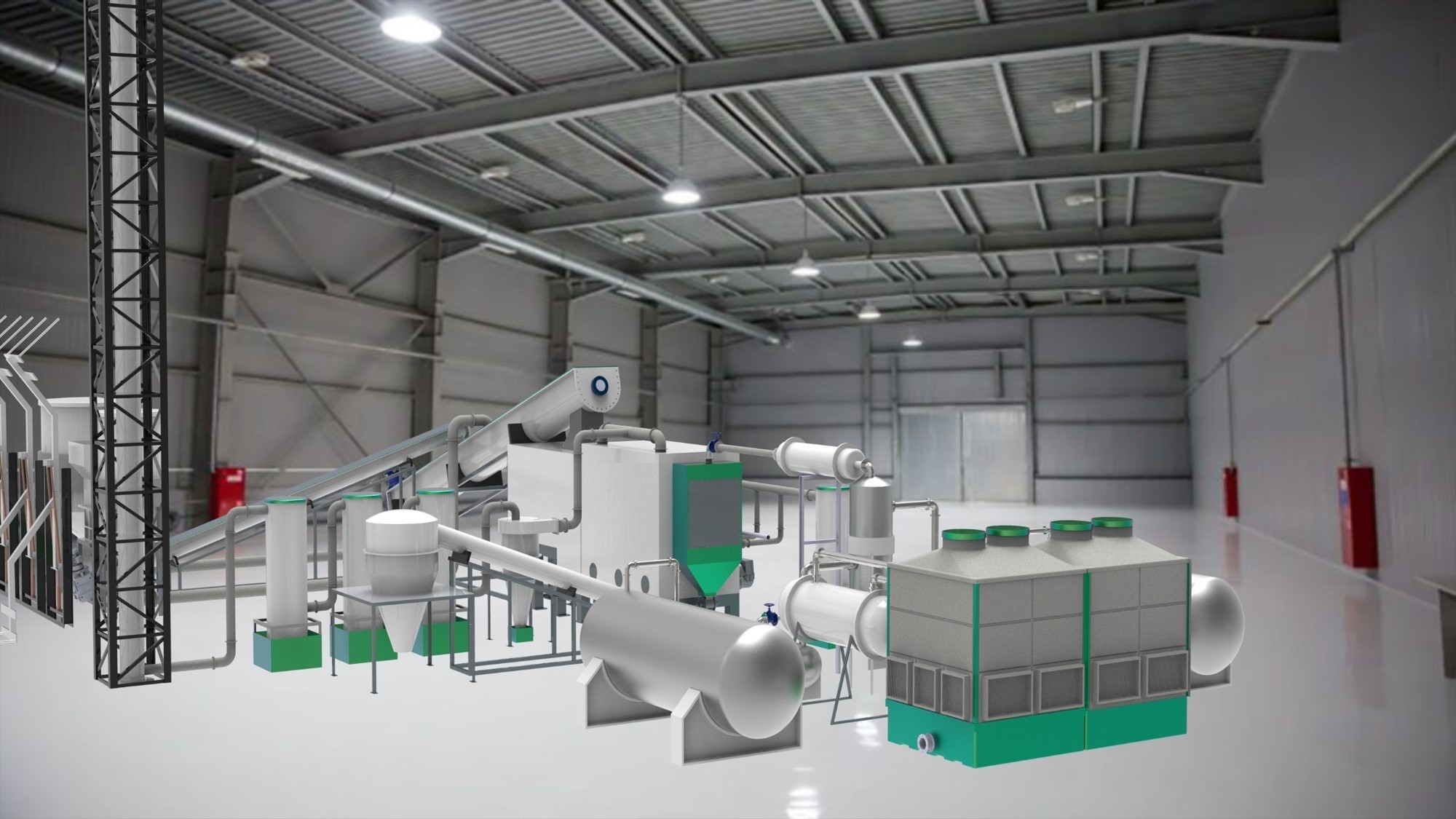
After crude oil extraction, associated gas is directed via pipelines to separation units. In these units, using two-phase and three-phase separators (gas, oil, and water), the gas is separated from crude oil and water. This process is conducted under controlled pressure and temperature conditions to prevent the formation of hydrates (crystalline compounds of gas and water).
2. Sweetening and Dehydration Processes
Associated gas often contains impurities such as hydrogen sulfide (H₂S) and carbon dioxide (CO₂), which are corrosive and hazardous to the environment. In the sweetening process, these acidic compounds are removed using amine solutions or adsorption processes. Dehydration is also performed using molecular sieves or gas cooling techniques to prevent salt deposition in pipelines.
3. Returning Gas to the Utilization Cycle
After refining, associated gas is utilized in the following ways:
- Reinjection into oil reservoirs: To enhance reservoir pressure and improve oil recovery (Enhanced Oil Recovery).
- Transportation to urban gas pipelines: After meeting quality standards.
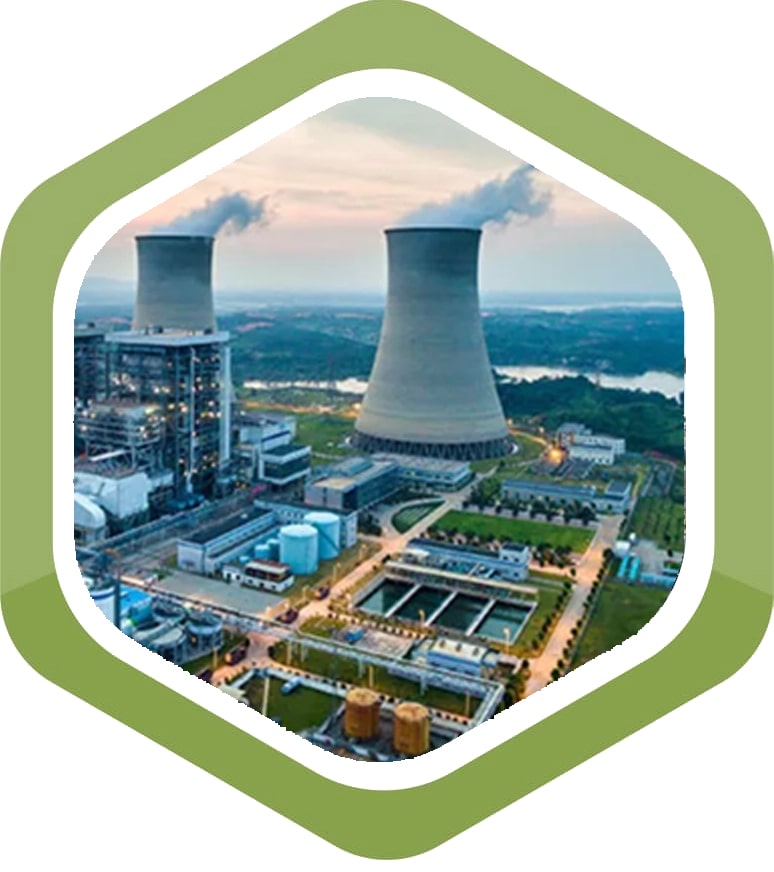
- Electricity generation: By burning the gas in power plants within refineries.
- Conversion to petrochemical products: Such as propane and butane.
Environmental Challenges of Associated Gas
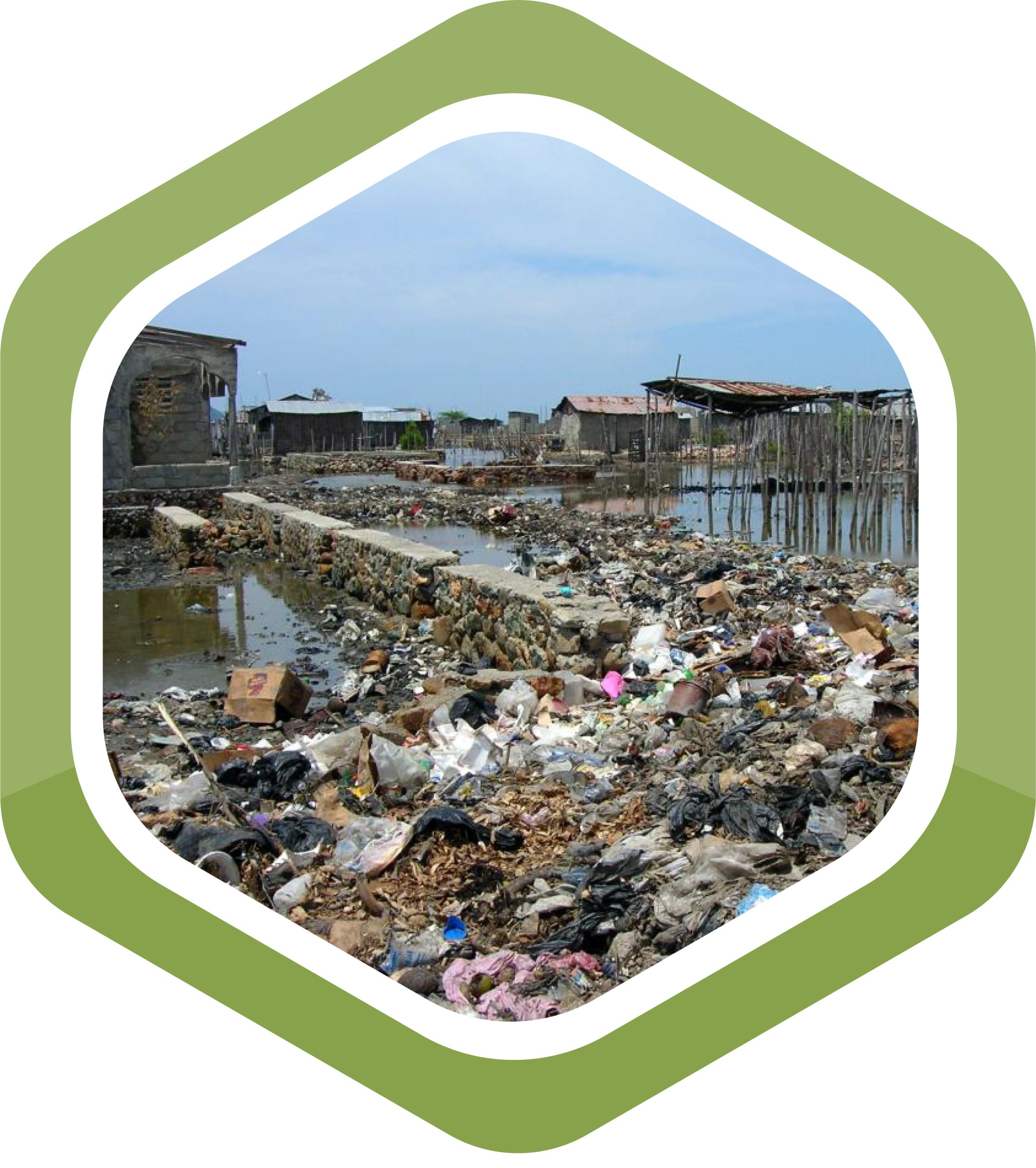
Despite advancements in technology, improper management of associated gas has the following consequences:
1. Greenhouse Gas Emissions
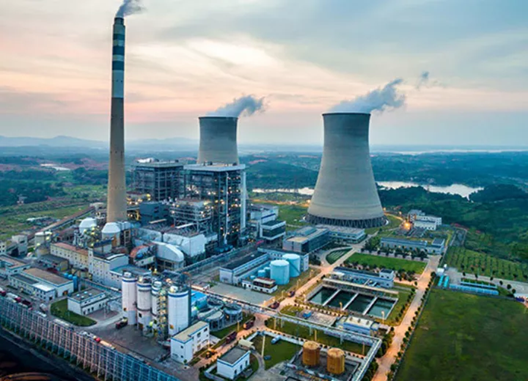
Burning associated gas in flares or releasing it directly (venting) leads to the emission of methane (with 25 times the greenhouse effect of CO₂) and black carbon (from incomplete combustion). According to the International Energy Agency (IEA), approximately 140 billion cubic meters of associated gas are flared annually, equivalent to emitting 350 million tons of CO₂.
2. Air and Soil Pollution
Toxic compounds such as H₂S and benzene in these gases pose serious health risks to workers and local communities if leaked. Additionally, gas infiltration into soil disrupts microbial ecosystems, reducing agricultural productivity.
3. Energy Waste
Burning or venting associated gas means losing resources that could be converted into electricity, clean fuel, or petrochemical raw materials. This issue is more severe in developing countries lacking the necessary infrastructure.
Control Strategies and Environmental Impact Reduction
To address these challenges, the following solutions are proposed:
1.Replacing Conventional Flares with Efficient Technologies
Using smokeless flares (Clean Flare), which inject steam or air to ensure complete combustion, reduces black carbon emissions by 90%. Additionally, installing Vapor Recovery Units (VRUs) to capture evaporated gases from storage tanks is an effective method.
2. Developing Gas Collection and Transportation Infrastructure
Building pipelines and gas compression stations in oil fields allows the transfer of associated gas to refineries or consumption centers. Global initiatives like the Gas Flaring Reduction Partnership (GFRP) play a crucial role in this effort.
3. Converting Gas into Valuable Products
Technologies like Gas-to-Liquids (GTL) and Distributed Power Generation enable the utilization of associated gas in remote areas. For instance, in Nigeria, GTL projects prevent the flaring of 1.5 billion cubic meters of gas annually.
4. Strengthening Regulations and Government Oversight
Strict laws such as the ban on routine flaring (in line with the Paris Agreement) and imposing penalties on polluters encourage companies to invest in clean technologies. The use of satellite monitoring (such as ESA satellite networks) is also beneficial for detecting unauthorized flaring sites.
Managing associated gas in gas refineries is not only an environmental necessity but also an economic opportunity to convert waste into wealth. However, achieving this goal requires tripartite collaboration among government, industry, and the scientific community. On one hand, advancements in technologies such as carbon capture and storage (CCUS) and green hydrogen can reduce the carbon footprint of the gas industry. On the other hand, public awareness and community involvement in monitoring industrial projects will ensure the long-term sustainability of these initiatives. Ultimately, turning the challenge of associated gas into an opportunity for a low-carbon economy requires global commitment.