



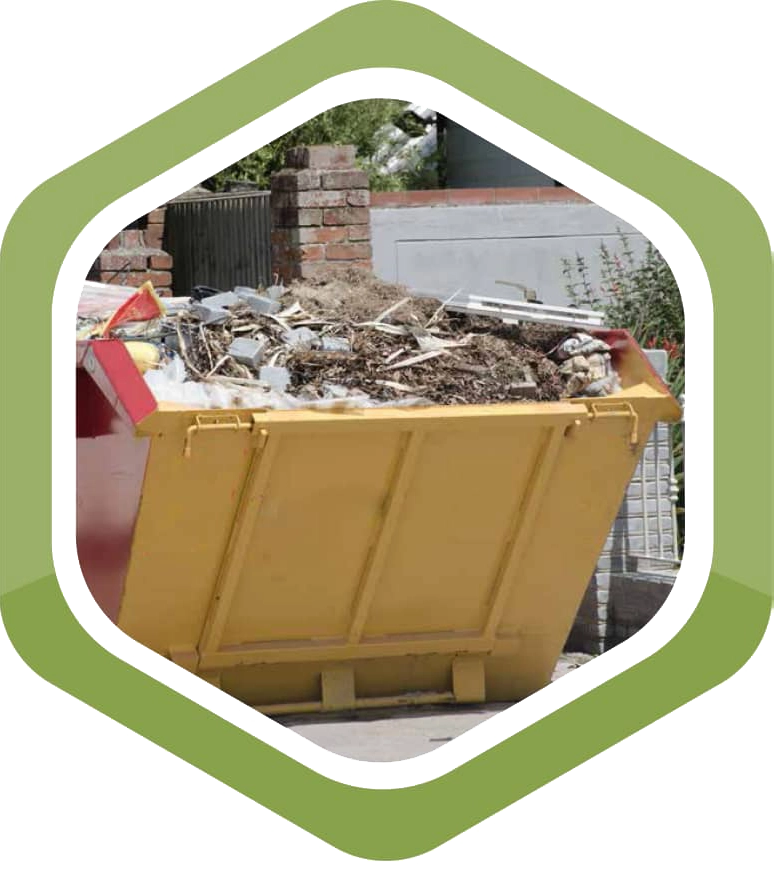

waste management
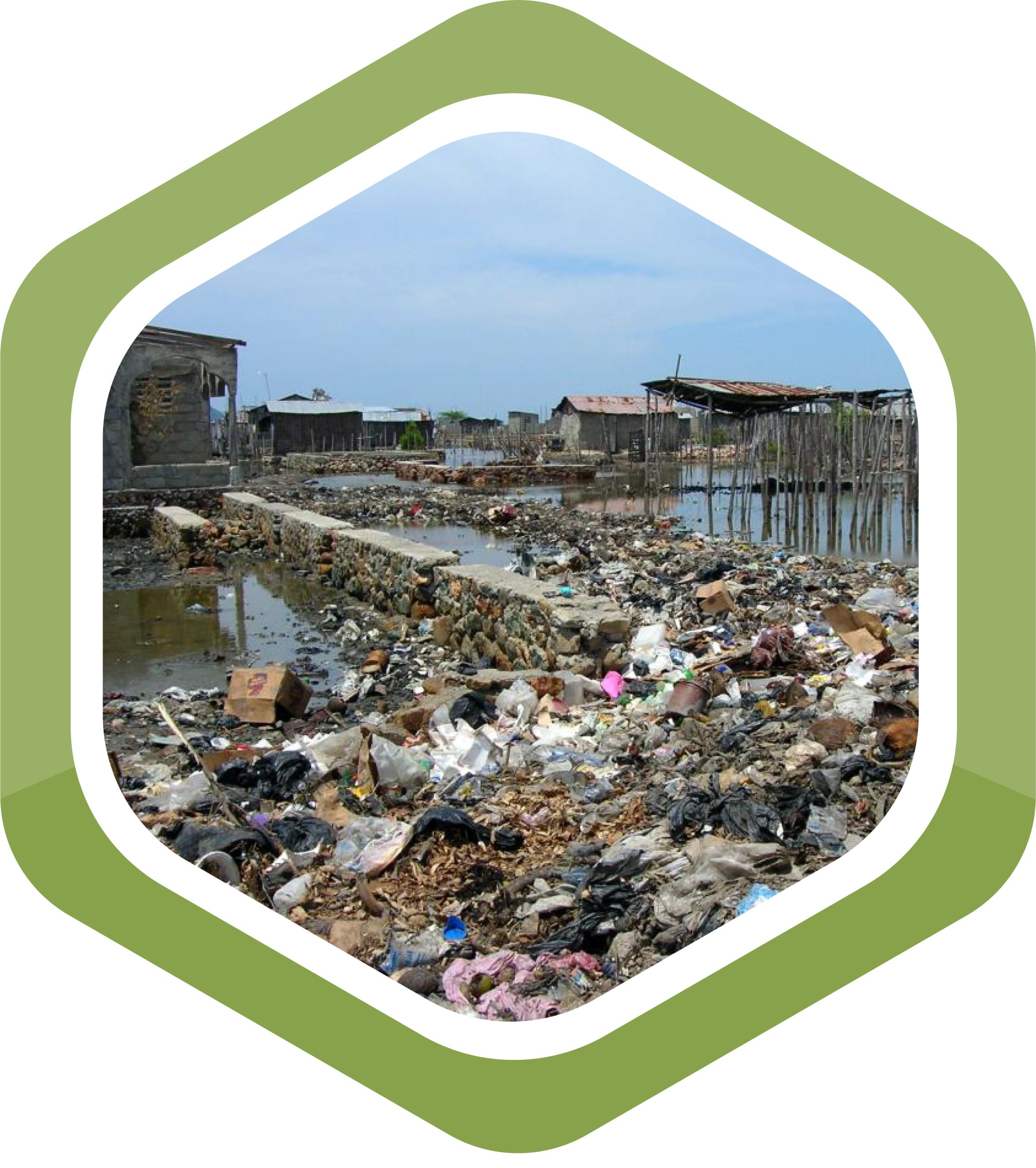
Comprehensive waste management has three general economic, social and environmental dimensions. In Iran, only 8% of urban waste is recycled, composted and reused, and 92% is buried. Most of the provinces of the country have many restrictions in terms of sanitary waste disposal, and in these areas, there is no possibility of first-class disposal. Cultural and operational problems are the two main problems of urban waste management in the country.
In general, comprehensive waste management should pay full attention to all elements required in waste management, including production, storage, collection, transfer, recycling and disposal. All these things are possible in the shadow of developing a management plan. Having a plan and a strategic view of the problem and knowing the different aspects of that problem to solve the problem in the heart of the city and the municipality is considered one of the necessities of the municipalities across the country, so that by knowing the power of the city and the municipality, written operational and executive plans are the output of the strategic plan. Prepared to solve the waste problem.
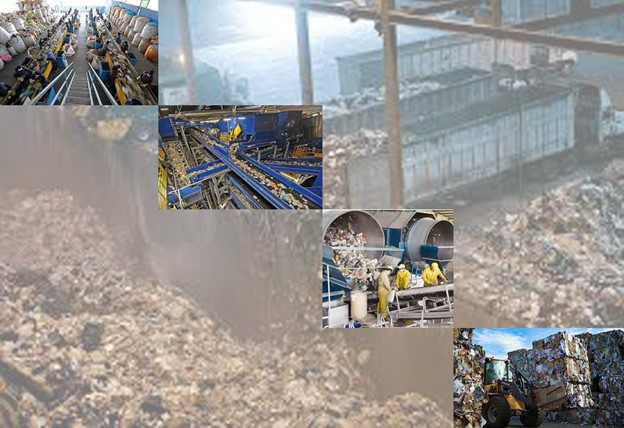
Municipal waste separation line
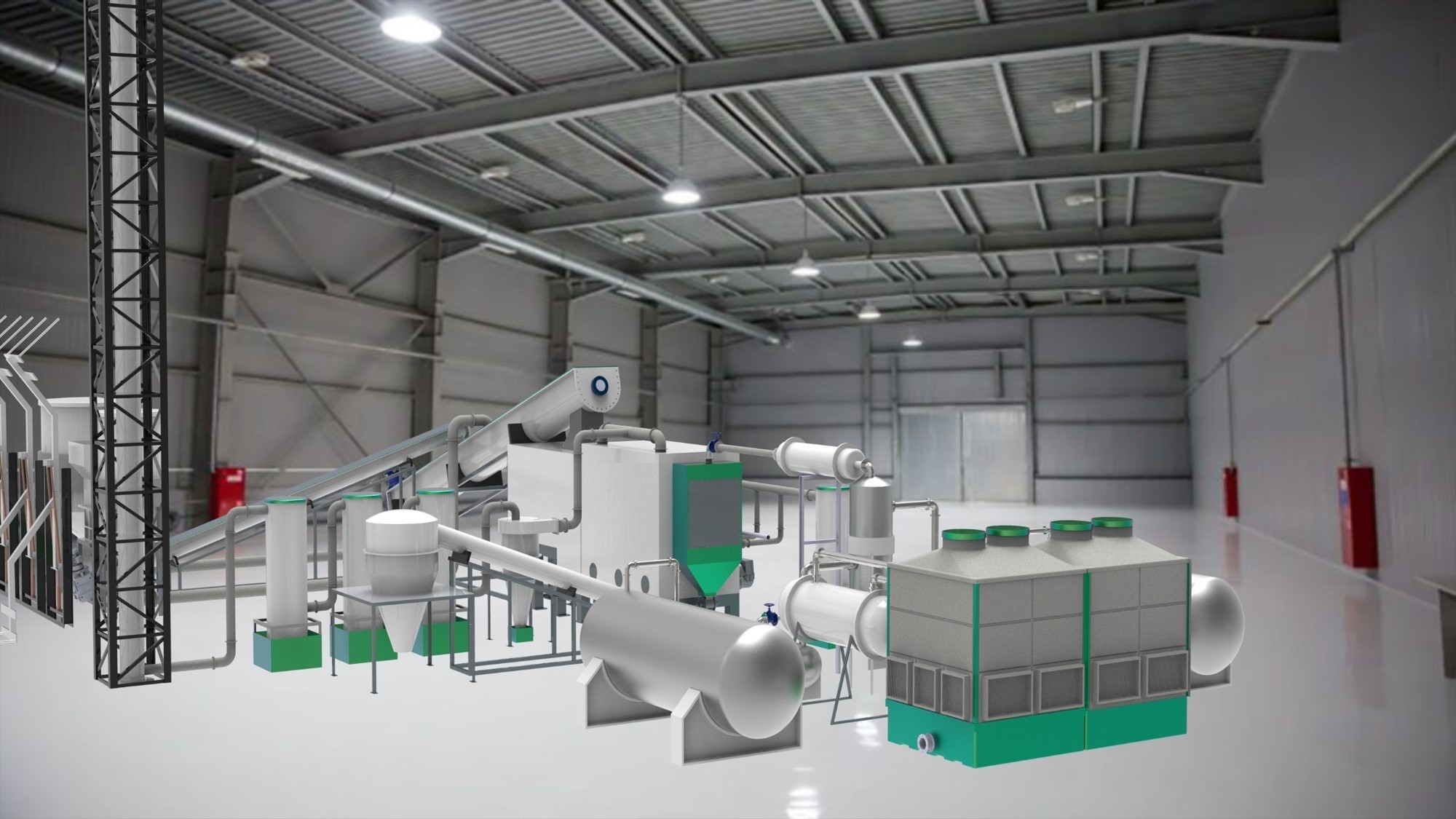
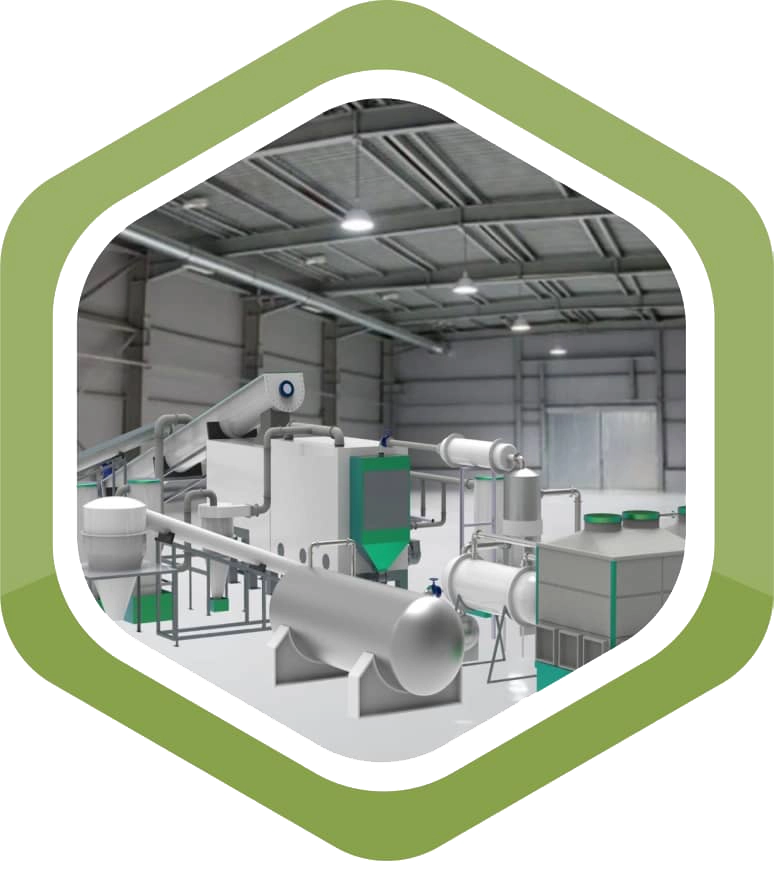
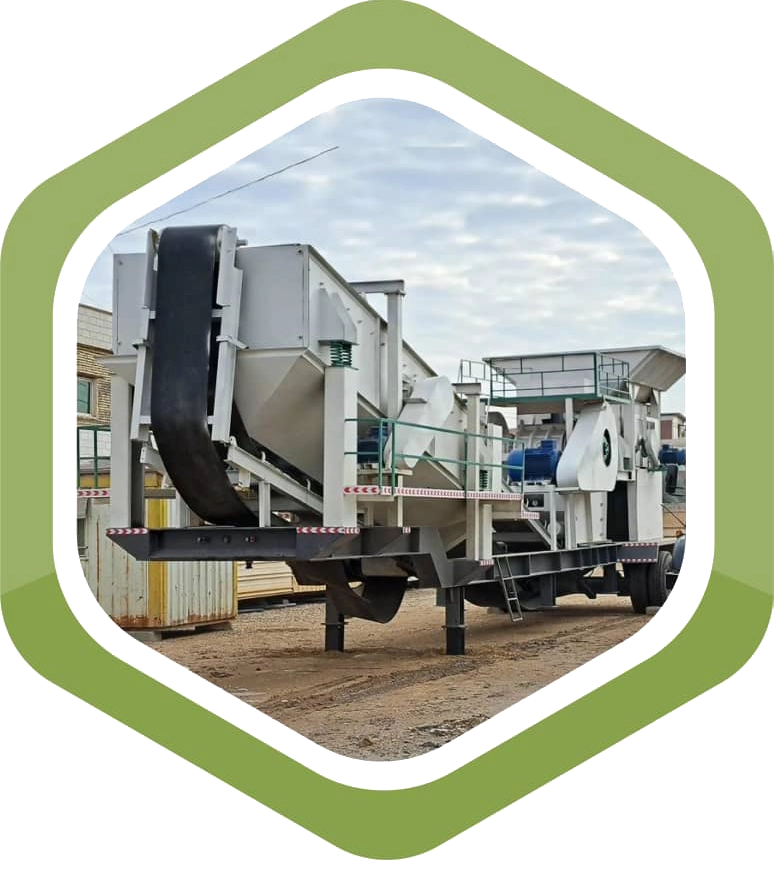
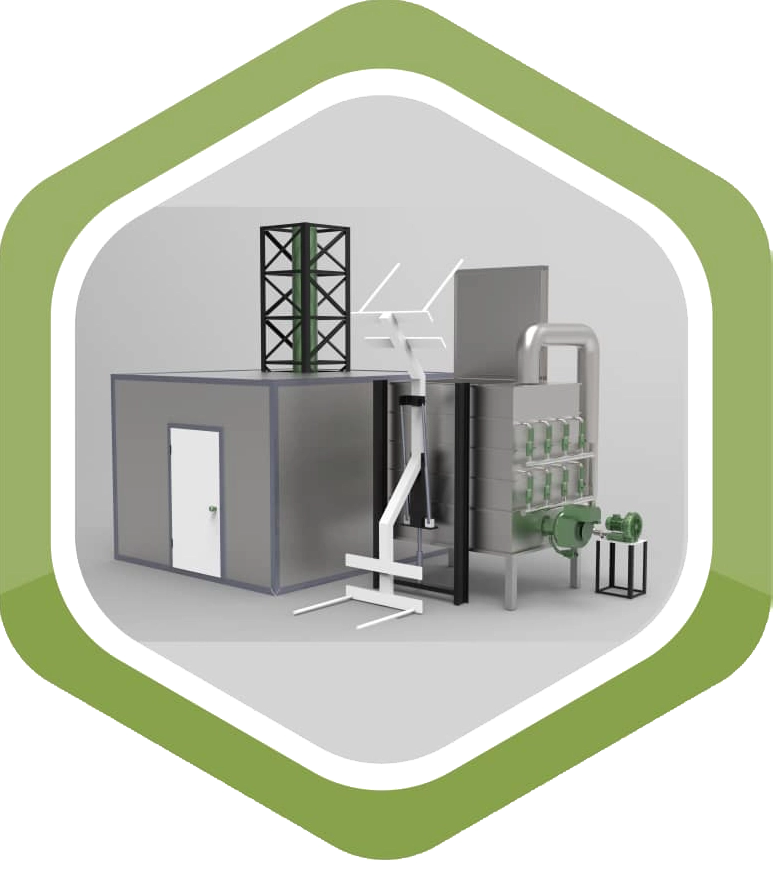
Municipal waste separation line or MRF (Materials Recovery Facility) is an industrial facility that is responsible for municipal waste separation. These lines are made up of different sections, each of which has a specific task. The different stages of the municipal mixed waste separation line are as follows:
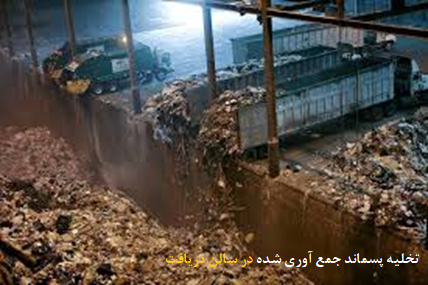
1. Evacuation of waste collected in the receiving hall
The input part is the first part of the separation line. In this section, municipal waste is unloaded from trucks and transported on a conveyor belt.
2. Feed the material through the feeder on the conveyor belt
3. Primary manual separation of recyclable items
4. Opening waste bags
Garbage bag opener is a device that is placed in the waste separation lines and by opening the bag, it provides access to the materials inside the bag because one of the problems in the waste separation lines is the existence of closed bags and as a result, the inability to access It depends on the contents of the bag and the separation of materials from each other.
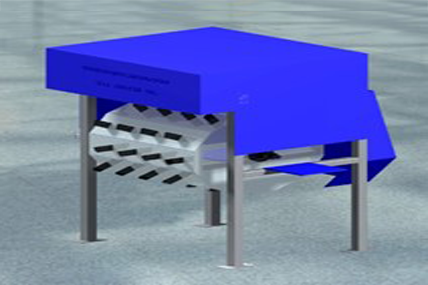
5. Spinning wheel
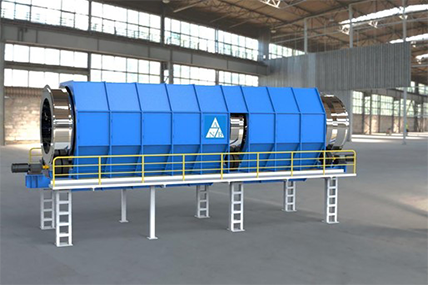
In the screening section, municipal waste is separated based on size and weight. Awls are usually made of metal or plastic and have holes of different sizes.
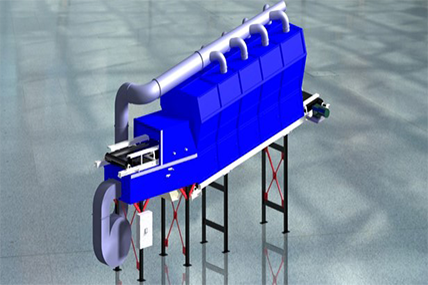
6. Separation of dry and wet waste in the wind shifter
7.Separation of magnetic metals in recyclable materials and manual separation below the surface
In the magnetic section, metals are separated from other materials. This is done using a strong magnet. One of the main problems in proper separation is the lack of proper separation of metal materials. This brings many problems, including, on the one hand, these materials can be recycled, and if they are not separated properly, these materials enter the landfill and practically lose their financial aspect, and on the other hand, due to the lack of decomposition In the long run, they reduce the life of the landfill. Magnets are among the mechanized systems for material separation. The most suitable mechanism for separating magnetic metals such as iron is the use of magnets. Usually, self-cleaning magnets are used in different places of the waste separation line to separate metals with magnetic properties.
8. Manual secondary separation of recyclable items
In the manual section, the wastes that are not completely separated in the previous sections are separated by human workers.
9. Storage of organic materials and waste
For more information, you are suggested to read the following pages
Types of municipal waste separation lines
Urban waste separation lines can be divided into three categories based on the degree of mechanization:
- Non-mechanized lines: This line is the simplest type of separation lines and requires a lot of manpower.
- Semi-mechanized lines: This line uses a combination of human power and machinery.
- Fully mechanized lines: This line is the most advanced type of separation lines and requires very little manpower.
Advantages of municipal waste separation line
Municipal waste separation lines have many advantages, including:
- Reducing the volume of urban waste
- Increase the amount of recycling
- Reducing environmental pollution
- Saving natural resources
conclusion
Municipal waste separation lines are one of the most important equipments for municipal waste management. By separating urban waste, these lines help to reduce the volume of waste, increase the amount of recycling and reduce environmental pollution. Failure to properly deal with the problem of waste management in different regions and ecosystems has caused many crises in these regions and has caused many problems in these regions, among which the following can be mentioned:
1.Destruction of natural resources (water, soil, air)
- Pollution of water and soil resources
- The production potential of 300 to 400 liters of leachate per ton of waste
- Contains organic compounds resistant to biological degradation (organic contamination index (COD) equal to 70000 mg/lit)
- The reason for affecting the availability of land
- Air pollution and emission of greenhouse gases
- Contains volatile organic compounds and other air pollutants
- Production potential of 150 to 300 cubic meters of biogas (combination of methane and carbon dioxide) per ton of waste
2.Health and community health
- Lack of basic location of waste burial sites and leachate entering water environments. For example, the waste dump site of Tankabon city in the forests of Dohzar and the leachate entering the Cheshme Kalih river
- Lack of design of waste landfills and garbage dumps that lead to the spread of pollution. Such as the waste dump in the Aradkoh burial site of Tehran and the produced Shirabeh lake
- The spread of various diseases in the community caused by informal recycling-garbage
3.Impact on infrastructure facilities
- Lack of location of important projects such as drinking water supply dams. For example, the Sanandaj city waste depot in the vicinity of the Javah river (supplier of the Javah dam reservoir)
4.Popular protests
- The lack of basic location, taking into account residential centers, urban development programs and sensitive areas, causes problems caused by odor production and pollution in waste landfills, which leads to a decrease in the value of land around the waste landfill.
5.Industrial waste
- Every year, 8 million tons of industrial waste are produced in the country, of which only 5% is managed, and a major part of it is illegally transferred to other countries or discharged in the environment, which leads to water, soil and air pollution. .