





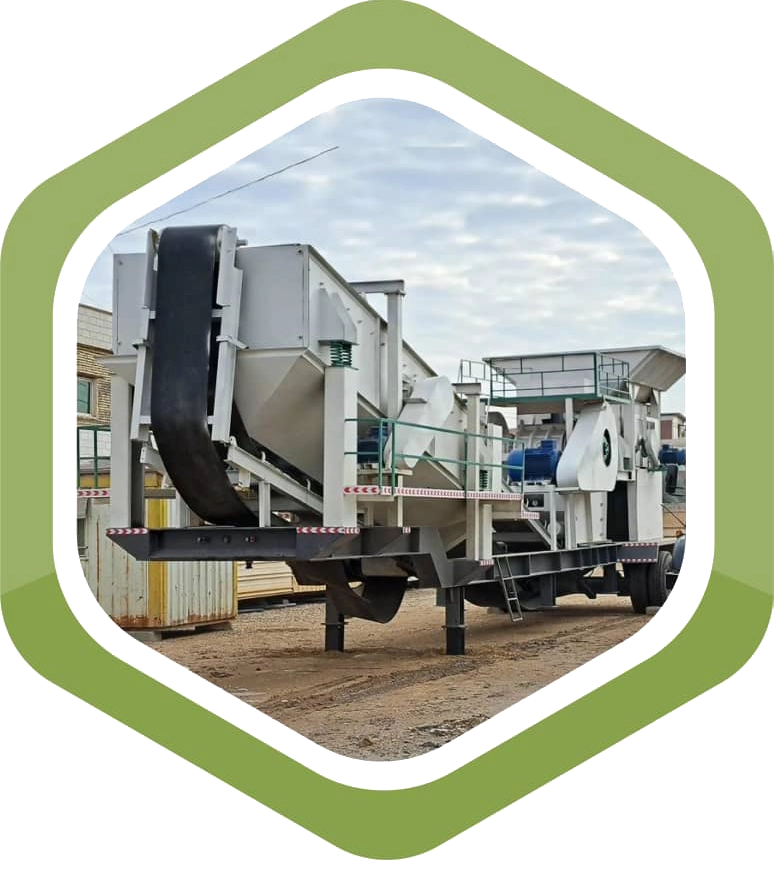
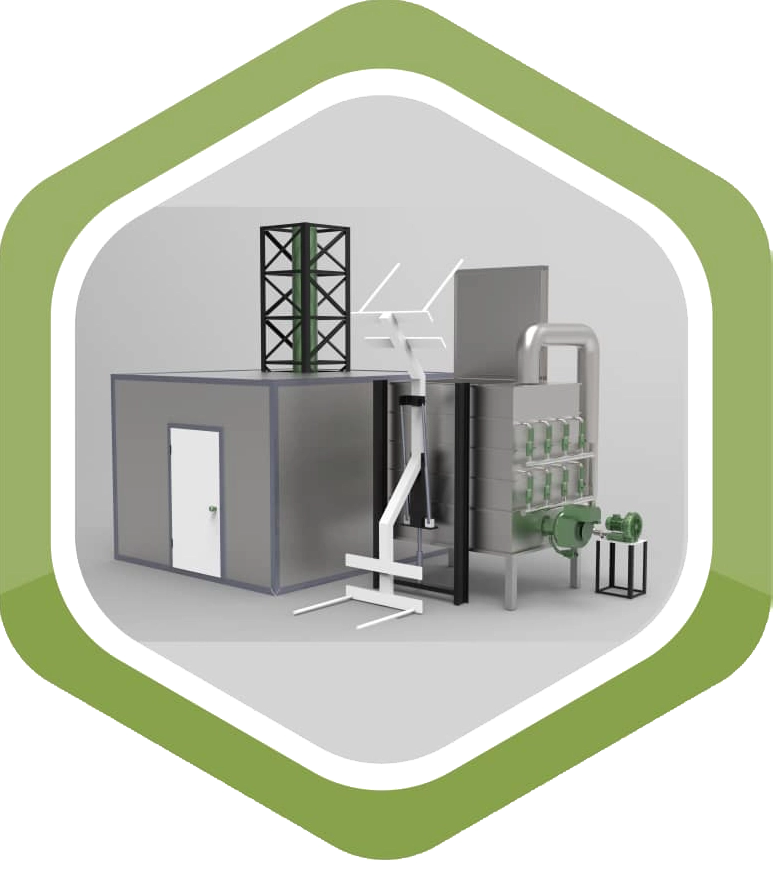
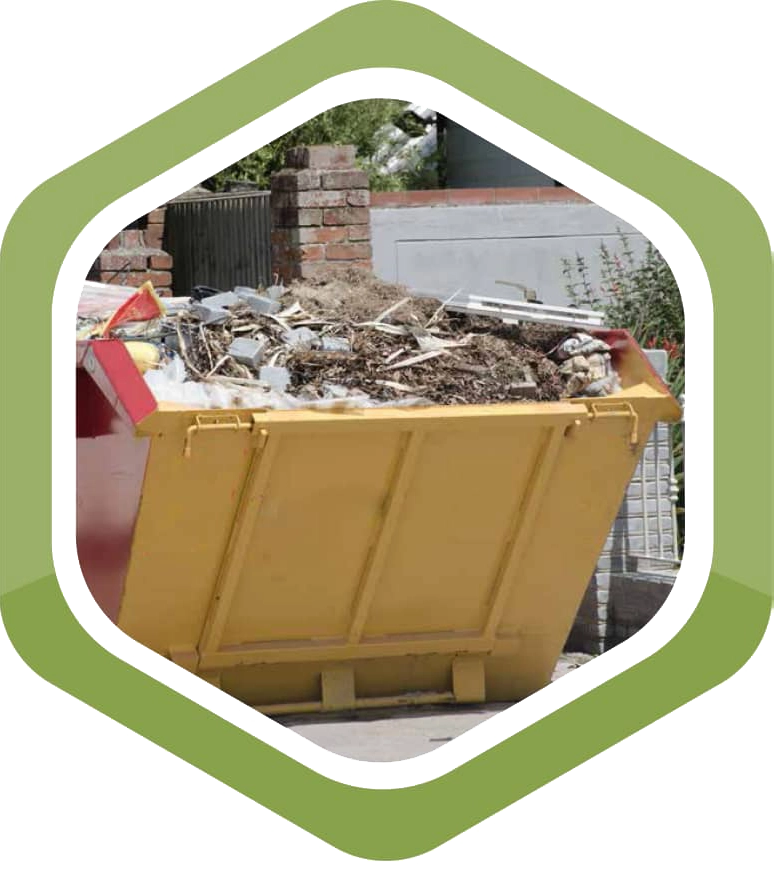

Clean up the environment
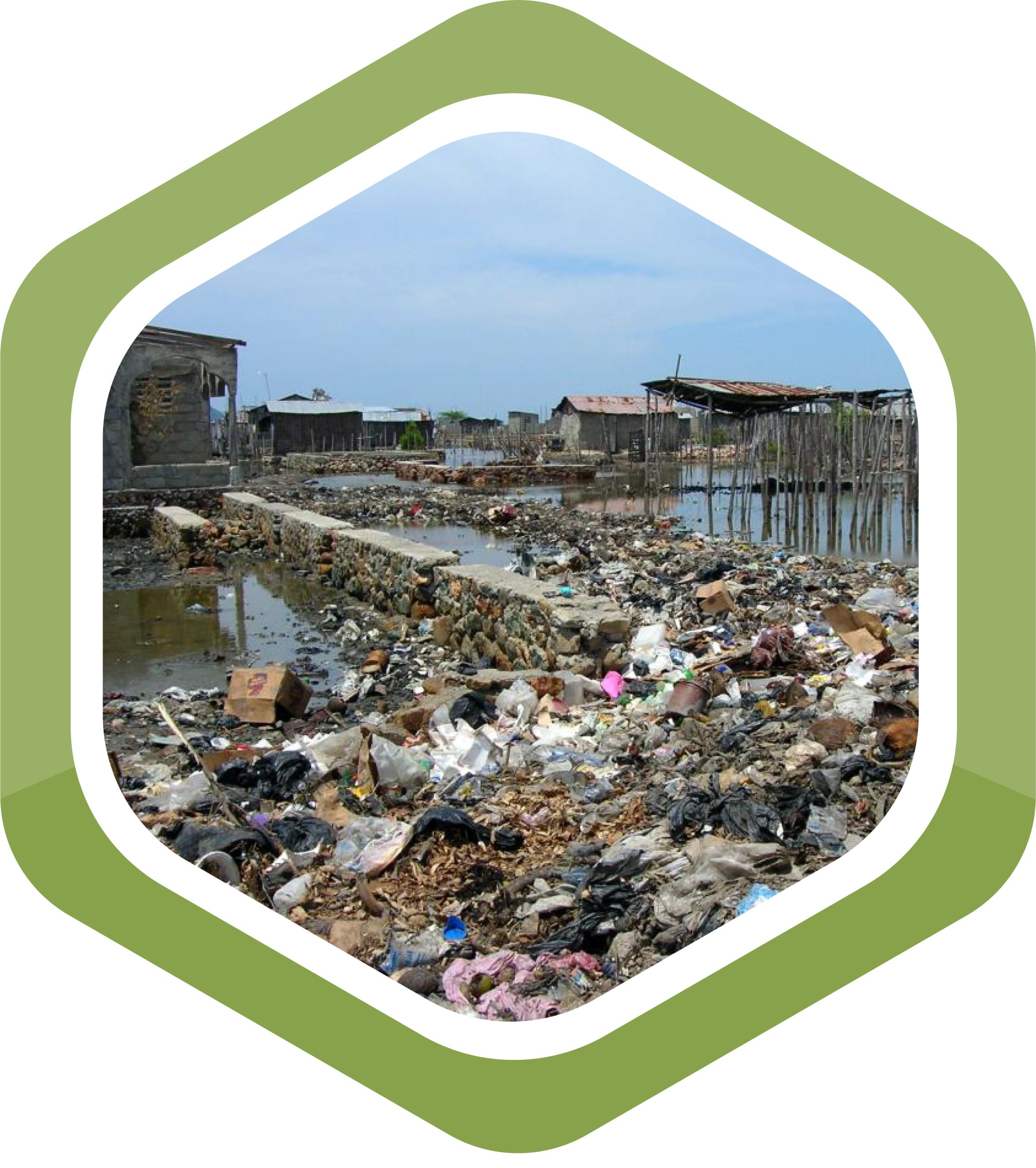
Accidents, spills, spills, improper disposal and handling of dangerous materials and wastes have led to the creation of tens of thousands of contaminated sites that pollute the land, water (groundwater and surface water) and air. Among the activities of Nab company to reduce the created pollution, the following can be mentioned.
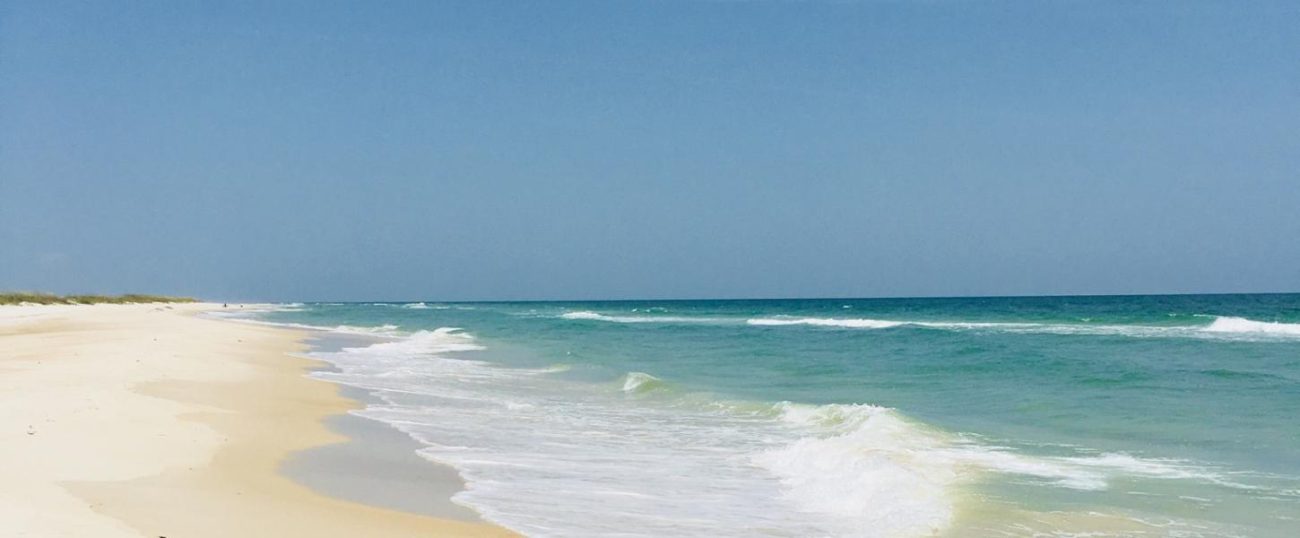
Marine pollution is a growing problem in today’s world. During a typical week-long voyage, a large cruise ship (with 3,000 passengers and crew) is estimated to produce 210,000 gallons of sewage. 1 million gallons of gray water (sink, shower and laundry wastewater); More than 130 gallons of hazardous waste; 8 tons of solid waste; and 25,000 gallons of oil water. Ship operators have to deliver the generated waste at each port, which is costly and time-consuming, adding to the cost of operations, and sometimes such costs lead to illegal dumping in the seas and oceans.
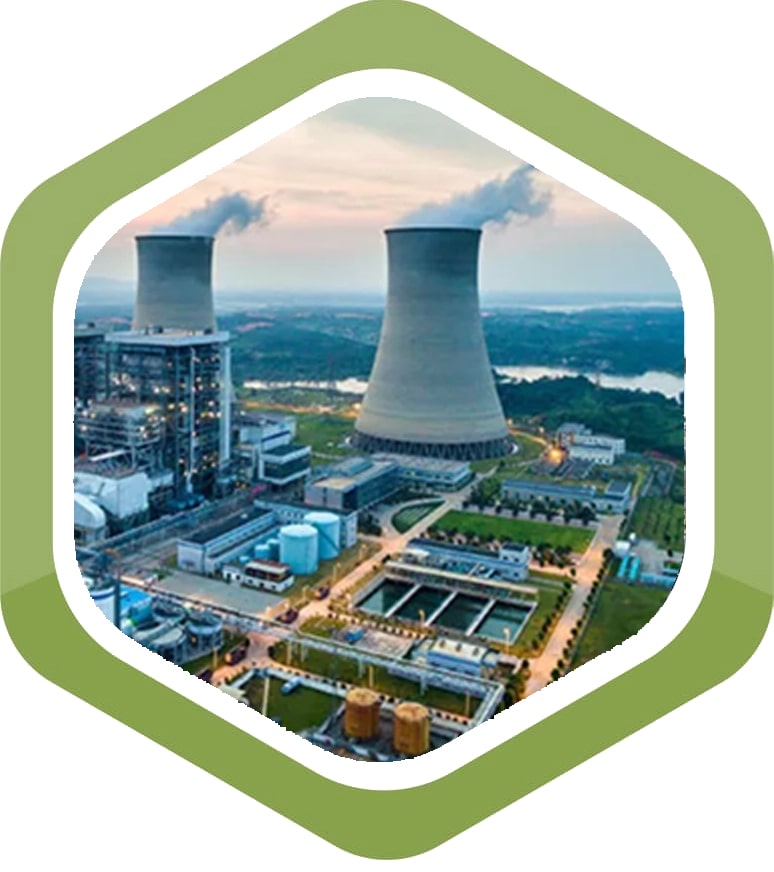
One of the odor control methods includes the removal or decomposition of odorous materials, which exists along with other methods such as air conditioning or adding oxidizing materials or using aromatic materials, which all these methods can be divided into three methods according to their main process. Can be classified:
Biochemical methods: such as biofilters, bioscrubbers, and activated sludge
Chemical methods: scrubbers, thermal oxidation, catalytic oxidation and ozonization
Physical methods: condensation, absorption (activated carbon), absorption (water purification scrubbers)
Global waste is expected to increase to 3.40 billion tons by 2050. Approximately 97% of the remaining MSW is landfilled after conversion (recycling and composting) and recycling (waste-to-energy) (or about 24,111,546 tons).
Landfills have harmful environmental effects, some of which are mentioned below:
- These places release methane gas, methane is a very powerful greenhouse gas that is 84 times more effective than carbon dioxide in absorbing the sun’s heat. Along with methane, landfills also produce carbon dioxide, water vapor, and gases that can contribute to climate change.
- Creating a landfill usually means destroying natural habitats for wildlife.
- Landfills are required to have a cover (plastic or clay), since waste tends to leak. This can lead to leachate containing high levels of ammonia.
Leachate is a contaminated liquid containing dissolved and suspended substances that results from the movement and seepage of water contained in the waste in a landfill. The chemical and biological properties of leachate generally depend on the type of waste buried in the burial center and the degradability of the waste. The main danger and threat of leachate from burial centers is the penetration of this contaminated liquid into the underground water, soil and wells around. The presence of substances such as metals and other toxic substances and organic substances with high concentrations are among the factors of leachate pollution.